


Last Updated on May 14, 2026 by Bay Area Dental Office, Redwood City, CA
If you are thinking about straightening your teeth, two of the most common options are clear aligners and traditional braces. Both are effective, but they work differently and suit different patients. Understanding the key differences can help you have a more informed conversation with our team and choose the path that fits your lifestyle and dental needs.
What Are Clear Aligners?
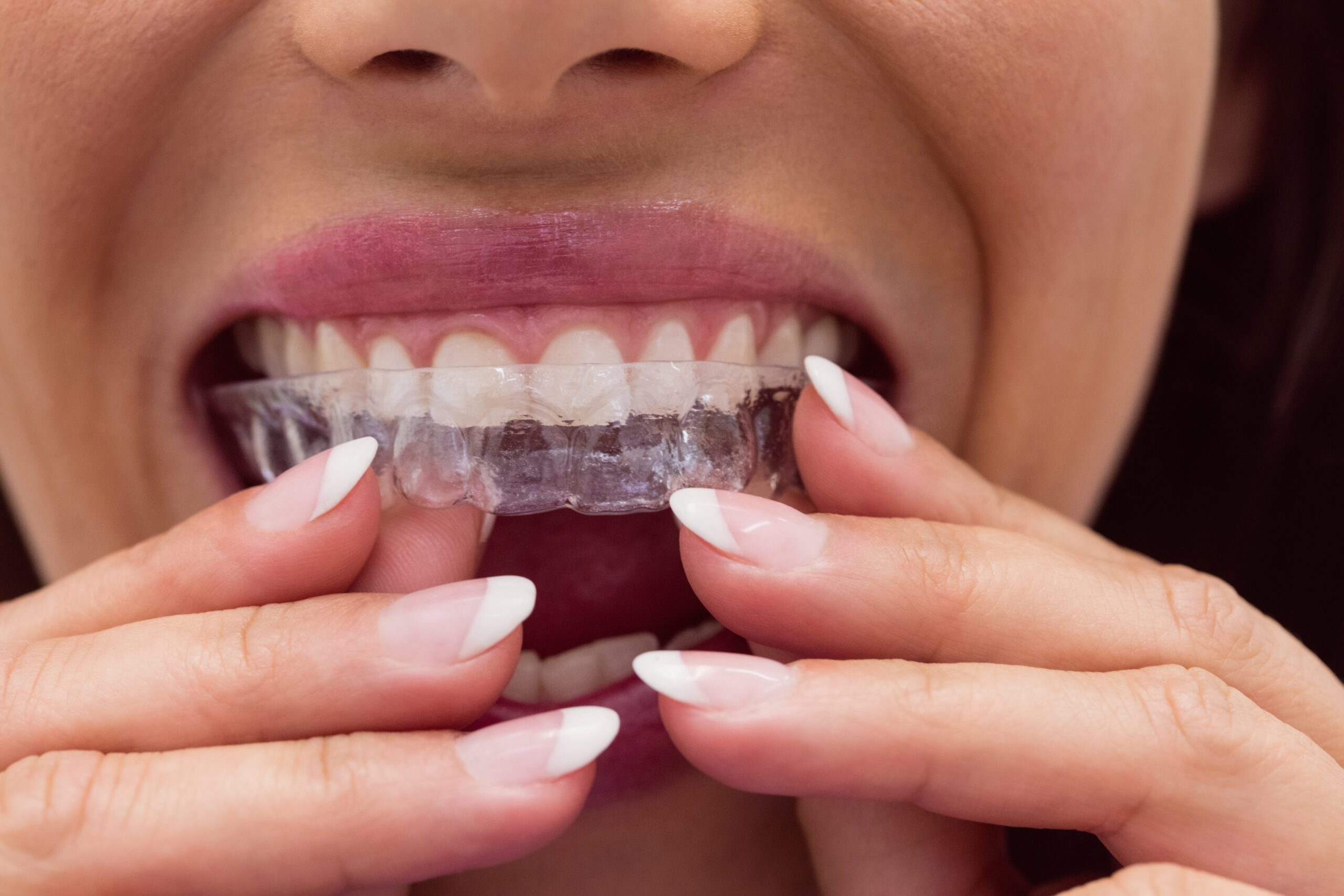
Clear aligners (like Invisalign) are a series of custom-made, removable trays that gradually shift your teeth into the correct position. Each set of trays is worn for one to two weeks before moving on to the next. The trays are smooth, nearly invisible, and fitted precisely to your teeth using digital imaging technology. At Bay Area Dental Office, we offer clear aligner treatment for patients with a range of orthodontic needs.
What Are Traditional Braces?
Traditional braces use metal brackets bonded to the front of the teeth, connected by a wire that applies gradual pressure to move teeth into alignment. They are highly effective for complex cases and are a proven orthodontic solution. Our team also offers braces for patients who are better suited to fixed appliances.
How Do They Compare?
Appearance
Clear aligners (like Invisalign) are nearly invisible, making them a popular choice for adults and teens who want to improve their smile without drawing attention to their treatment. Traditional braces are more visible, which is a consideration for patients in professional or social settings.
Comfort
Clear aligner trays are made from smooth plastic with no wires or brackets, which reduces the risk of irritation to the cheeks and gums. Traditional braces can cause some discomfort after adjustments and may require wax to manage any irritation from the metal components.
Flexibility
Because clear aligners are removable, patients can eat whatever they like and maintain their normal brushing and flossing routine without working around brackets or wires. Traditional braces are fixed in place, which requires more care around certain foods and oral hygiene.
Treatment Time
Treatment length varies depending on the complexity of each case. Your provider will give you a realistic estimate during your consultation based on your specific needs.
Cost and Coverage
Both options vary in cost depending on the complexity of treatment. Many dental insurance plans provide coverage for orthodontic treatment. Visit our insurance and financing page to learn more about payment options available at Bay Area Dental Office.
Which Option Is Right for You?
The right choice depends on your orthodontic needs, lifestyle, and personal preferences. Clear aligners (like Invisalign) tend to be a good fit for patients who want flexibility and discretion. Traditional braces may be the better option for more complex cases or patients who prefer a fixed appliance.
The best way to find out which treatment is right for you is to schedule a consultation with our team. We will evaluate your teeth, answer your questions, and help you choose the option that makes the most sense for your goals. Request an appointment today.

