Last Updated on July 8, 2026 by Bay Area Dental Office, Redwood City, CA
Root Canal Treatment in Redwood City
Tooth pain has a way of taking over your day. It can make eating difficult, interrupt sleep, and leave you wondering whether the tooth can still be saved.
When the soft tissue inside a tooth becomes inflamed or infected, root canal treatment may be recommended to address the problem while preserving the natural tooth. Despite its reputation, the purpose of a root canal is straightforward: remove the damaged tissue inside the tooth, clean and seal the space, and restore the tooth so it can continue to function.
For patients considering root canal treatment in Redwood City, understanding what the procedure actually does can make the decision feel much less intimidating.
What Does a Root Canal Actually Treat?
Inside each tooth is a space containing soft tissue called the pulp. This tissue includes nerves, blood vessels, and connective tissue. Deep decay, cracks, repeated dental work, or an injury can cause the pulp to become inflamed or infected.
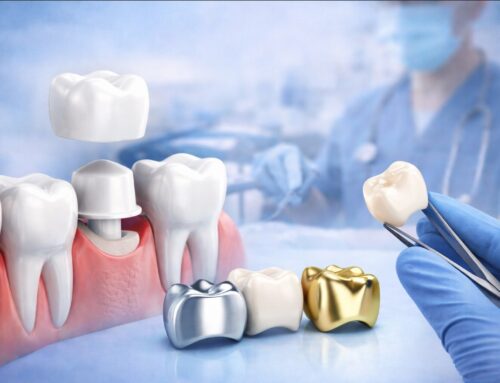
During root canal treatment, the dentist removes the affected pulp, cleans and shapes the inside of the tooth, and seals the space. The tooth is then restored with a filling, crown, or another appropriate restoration depending on its condition and location.
The goal is to treat the problem inside the tooth without removing the tooth itself.
A Root Canal May Help Save Your Natural Tooth
One of the main reasons dentists recommend root canal treatment is to preserve a tooth that might otherwise be at risk of extraction.
Saving the tooth matters because your natural teeth are already part of your bite. They help you chew, maintain normal spacing, and work with the surrounding teeth. When a tooth is removed, the empty space may eventually need to be addressed with a dental implant, bridge, or another replacement option.
Not every tooth can be saved. A severely fractured tooth or one without enough healthy structure may require a different approach. That is why a careful examination is important before deciding on treatment.
It Addresses the Source of Tooth Pain
Many people seek dental care because of severe pain when biting, lingering sensitivity to hot or cold, pressure, or a persistent ache. When that pain is coming from inflamed or infected pulp, treating the inside of the tooth addresses the source of the problem rather than simply trying to manage the symptoms.
The procedure itself is performed with local anesthesia. Some tenderness or sensitivity afterward can be normal, especially if the tissues around the tooth were already irritated before treatment.
Recovery varies from person to person, so it is better to think of a root canal as treatment for the underlying dental problem rather than a promise of instant relief within a specific number of hours.
It Removes Damaged or Infected Tissue From Inside the Tooth
An untreated problem inside a tooth can worsen over time and may lead to an abscess around the root. Pain is one possible warning sign, but infection does not always follow a predictable pattern.
Root canal treatment removes the inflamed or infected pulp and allows the inside of the tooth to be cleaned, filled, and sealed. This is one reason waiting for severe pain is not a good strategy when a dentist has already identified a significant problem.
Swelling, tenderness, pain when chewing, or a bump on the gum near a tooth should be evaluated rather than ignored.
You Keep More of Your Normal Chewing Function
A successfully treated and properly restored tooth can continue to play a useful role in your bite.
This matters more than many people realize. Losing a tooth changes the way chewing forces are distributed and may leave a space that affects neighboring teeth. Preserving the natural tooth can help maintain the existing arrangement of your bite without immediately moving to a tooth replacement procedure.
Once treatment and restoration are complete, the goal is for the tooth to feel stable and function comfortably as part of the rest of your mouth.
It May Avoid the Additional Steps That Follow an Extraction
Removing a tooth can sometimes be necessary, but extraction and root canal treatment are not interchangeable procedures.
If a tooth is extracted, you may later need to decide whether to replace it with an implant, bridge, or another option. That can involve additional appointments, treatment planning, healing time, and expense.
When a tooth has a reasonable chance of being preserved, root canal treatment may allow you to avoid those additional replacement decisions. Cost varies considerably based on the tooth, restoration, insurance coverage, and complexity of treatment, so it is better to compare your actual options than assume one approach is always cheaper.
The Final Restoration Matters Too
Root canal treatment is only part of restoring the tooth.
After the inside of the tooth has been treated, the tooth still needs an appropriate final restoration. Some teeth may be restored with a filling, while others need a crown for added protection and function. Back teeth, in particular, often carry substantial chewing pressure.
Your dentist should explain what type of restoration is recommended, why it is appropriate for that tooth, and when it should be completed.
When Should Tooth Pain Be Checked?
Not every toothache means you need a root canal. Cavities, cracked teeth, gum problems, bite issues, and other conditions can cause similar symptoms.
It is worth scheduling an evaluation if you notice:
- Severe pain when biting or chewing
- Lingering sensitivity to hot or cold
- A chipped or cracked tooth with ongoing symptoms
- Swollen or tender gums near a tooth
- A recurring bump on the gum
- Persistent tooth pain that is not improving
The sooner the cause is identified, the sooner you can understand your treatment options. Waiting until the pain becomes unbearable may allow the underlying problem to become more complicated.
Considering Root Canal Treatment in Redwood City?
The real benefit of a root canal is not simply that it treats a painful tooth. When appropriate, it allows you to address inflammation or infection while keeping a natural tooth that still has value and function.
At Bay Area Dental Office, we evaluate the condition of the tooth, explain what we find, and discuss the treatment options available. Learn more about our root canal treatment in Redwood City, explore our dental crown services, or contact Bay Area Dental Office to schedule an evaluation.